
Behavioural Design
The right message. The right person. The right moment. The right place.
People don’t respond to information simply because they encounter it. They notice, interpret, remember and act according to how a message is presented, how relevant it feels and the context in which they experience it.
Nudge4Good brings behavioural science into storytelling to design messages around how people actually think, notice, remember and make decisions.
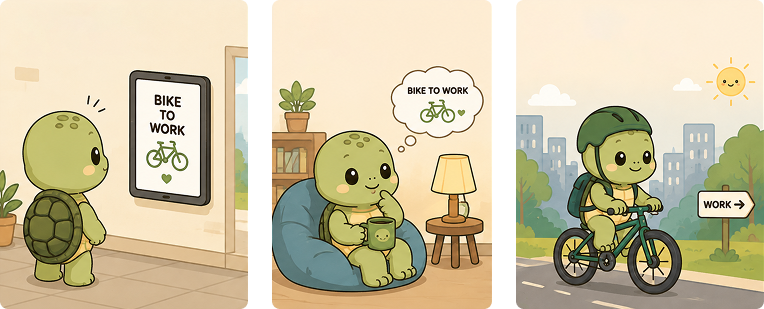
The Right Message
People don’t always respond to information solely based on the content. How a message is framed can shape how it is understood, felt and remembered.
We use framing, micro-messaging and cognitive-load reduction to transform complex missions, programmes and ideas into clear, digestible information snacks – giving people something they can take in without adding to the noise or mental burden of everyday life.
Our stories are designed to invite rather than instruct. They encourage reflection and action while respecting people’s autonomy and freedom to choose.
From information people have to process to stories people can quickly understand, connect with, and act upon.
The Right Person
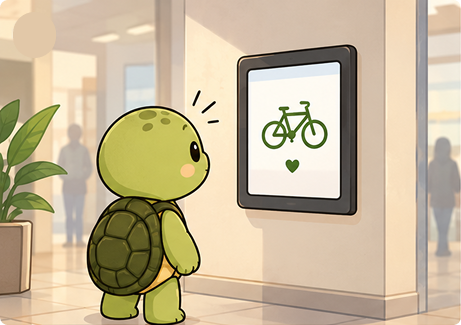
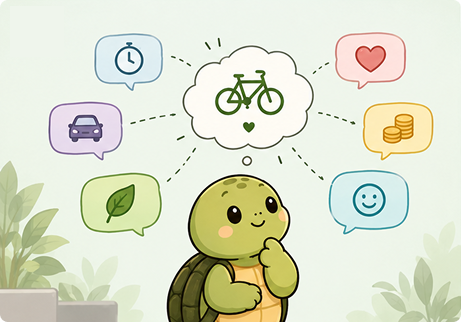
The same message does not matter equally to everyone. We begin by understanding who the story is for, what matters to them and what they may need to know, feel or do.
A student wellbeing story may speak differently to a university audience than to a workplace audience.
A breast-health reminder can be placed in appropriate women’s spaces.
A story about healthy ageing may be more meaningful to older adults than to younger audiences.
We shape stories around the people they are intended to serve, making them more relevant and relatable rather than generic.
The Right Moment
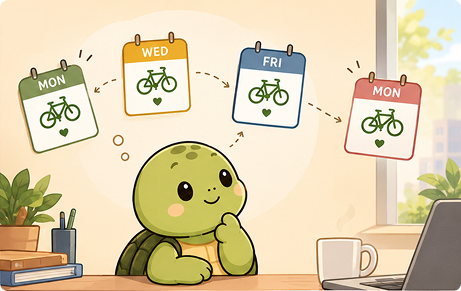
Timing has a big influence on whether a message is noticed, considered, or simply ignored.
We look for natural moments of relevance – when people are waiting, moving between activities, making a choice, or are otherwise able to pause and reflect.
The aim is not to demand attention, but to introduce a meaningful story when it has the greatest opportunity to connect.
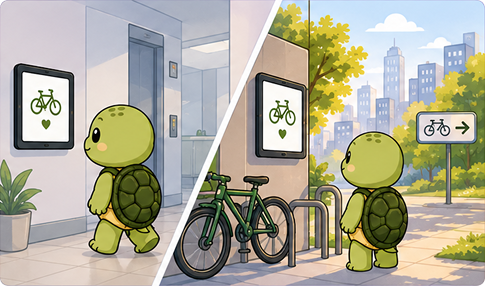
The Right Place
Where a message appears can influence how it is understood, whether it feels relevant, and whether it prompts action.
A sustainability message in a cafeteria.
A wellbeing message in a workplace.
A health-check reminder in a restroom.
A community message in a shared public space.
We use strategic placement and contextual relevance to connect stories with environments where they are most likely to feel relevant – from cafeterias and washrooms to lifts, walkways and communal spaces.
The place gives the story context.